Rett syndrome (RTT) is a severe neurodevelopmental disorder caused by mutations in the MECP2 gene, leading to various symptoms, including cognitive impairment, motor dysfunction, and significant respiratory abnormalities.
The disease is hallmarked by repetitive movements and general developmental regression, however cause of death is often due epileptic or respiratory crises.
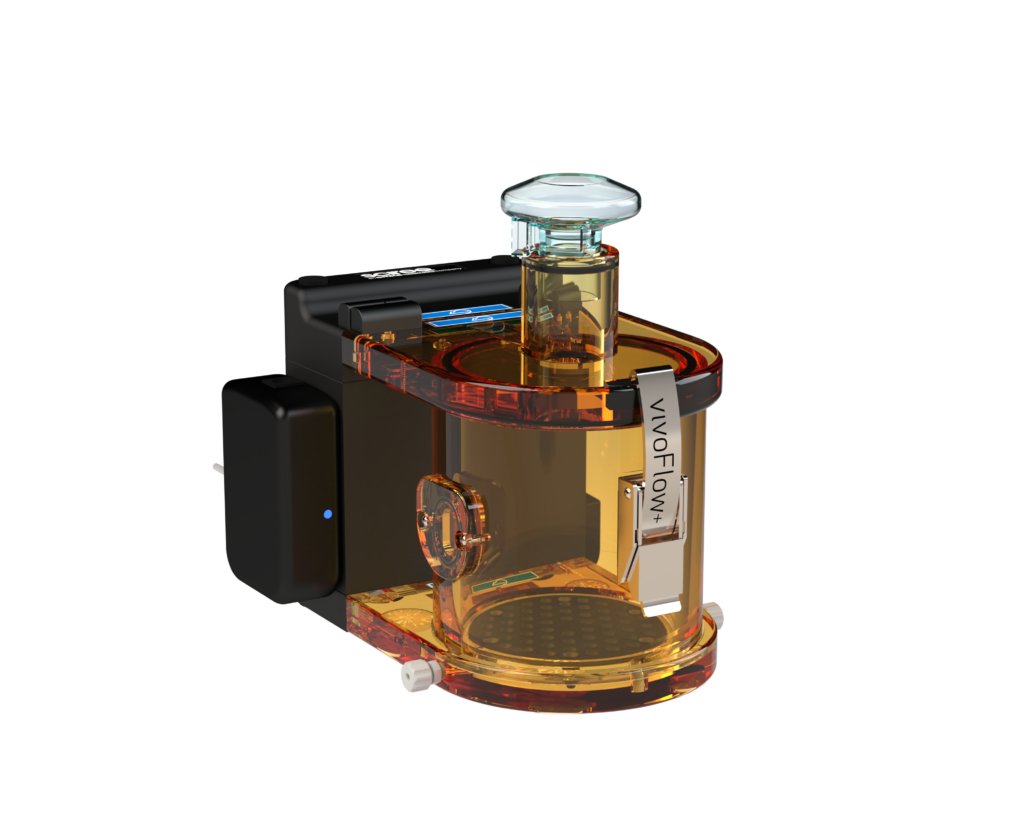
Integrating vivoFlow plethysmography with easyTEL+ telemetry enables comprehensive, multi-parameter monitoring in RTT models by capturing respiratory, cardiovascular, neurological, and physiological data simultaneously.
This integrated approach allows researchers to gain a holistic view of RTT pathology and treatment effects, providing insights into disease progression that would be unattainable with single-modality setups. The easyTEL+ telemetry system complements plethysmography by adding ECG, EEG, EMG, body temperature, and activity data, which together create a detailed physiological profile:
EEG is crucial for detecting epileptiform activity and seizures in Rett syndrome, aiding in the study of disease progression and treatment efficacy. It also helps analyze abnormal brain wave patterns and synaptic dysfunction, which contribute to cognitive and behavioral symptoms like learning impairments, attention deficits, and motor problems.
EMG and activity monitoring, combined with EEG, provide insights into Rett syndrome progression by identifying sleep disturbances, motor impairments (like reduced mobility, stereotypical hand movements, and impaired coordination), and changes in muscle tone.
ECG monitoring is essential in Rett syndrome for detecting autonomic nervous system dysfunction, which can cause irregular heart rhythms such as bradycardia and QT interval prolongation. Additionally, ECG is valuable for assessing the cardiac effects of potential Rett syndrome therapies and their impact on autonomic issues.
Monitoring temperature changes in Rett syndrome helps assess impaired thermoregulation and the impact on the autonomic nervous system. Fluctuations in temperature can signal stress or metabolic changes, and tracking them is crucial for evaluating treatment effectiveness in stabilizing autonomic function.
Breathing abnormalities, including hyperventilation, breath-holding, and apnea, are common in Rett syndrome. Monitoring respiration helps assess symptom severity and the neural control of breathing. Respiratory dysfunction is linked to impaired autonomic regulation, and measuring respiration aids in studying how brainstem dysfunction contributes to these issues.
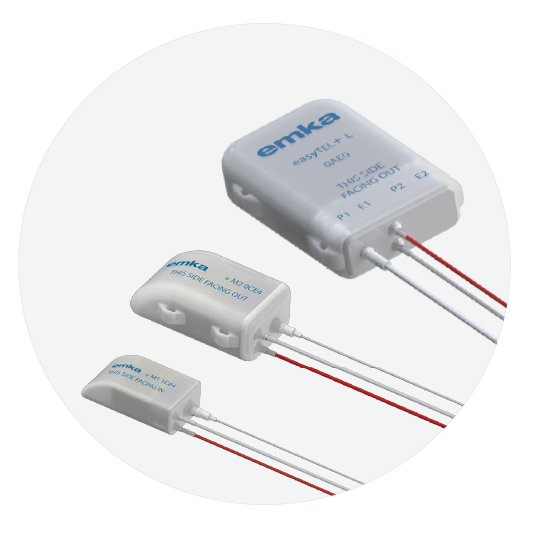
easyTEL+ implantable telemetry can acquire multiple biopotentials, blood pressures, temperature, activity, and respiratory rate in small and large animals.
Transmitter state (on/sleep) and reconfigurable settings (sampling rate, resolution, transmission power, transmission frequency, etc.) can be controlled wirelessly. This reduces human interaction, thereby increasing the likelihood or the animal’s natural state during behavioral testing.
Breathing abnormalities are more common toward the end of regression and include both hyperventilation, and respiratory dysrhythmia with breath holding and difficulty in terminating inspirations. Most respiratory studies in knock-out animal models of Rett Syndrome focus on whole body plethysmography to assess breathing parameters after various environmental or genetic modifications.
Whole body plethysmography and digital telemetry can be combined on a synchronized platform, for concurrent analysis of respiratory and neurological data.