As global temperatures rise, wildfires are increasingly recognized as major public health crises. Exposure to wildfire smoke is known to worsen respiratory diseases such as asthma and chronic obstructive pulmonary disease (COPD). Growing evidence also shows that wildfire smoke can affect the cardiopulmonary system, contributing to arrhythmias, impaired lung function, and systemic inflammation.
To understand these health effects, researchers are using advanced experimental models that allow wildfire smoke exposure to be studied from the whole organism down to individual cells.
Understanding how wildfire smoke affects biological systems begins with controlled exposure models that replicate real-world conditions.
Controlled exposure systems allow scientists to reproduce realistic wildfire smoke environments in the laboratory. Platforms such as inExpose deliver re-aerosolized particulate matter (PM) or whole smoke to animal models using nose-only or whole-body exposure chambers.
These systems allow researchers to replicate pollutant concentrations observed during major wildfire events while maintaining consistent, reproducible experimental conditions.
While in vivo studies reveal systemic responses, in vitro and ex vivo models allow researchers to investigate the direct cellular effects of smoke exposure.
These systems allow researchers to replicate pollutant concentrations observed during major wildfire events while maintaining consistent, reproducible experimental conditions.
Specialized systems such as expoCube enable precise aerosol deposition onto ALI cultures or lung tissue slices. This controlled exposure allows researchers to measure immediate cellular responses to airborne pollutants, including oxidative damage, inflammatory signaling, and epithelial barrier dysfunction.
To understand the physiological consequences of smoke exposure, researchers must also measure lung function.
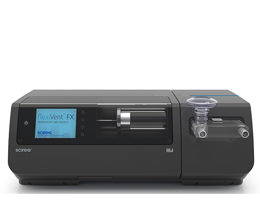
The flexiVent system provides detailed measurements of respiratory mechanics using the Forced Oscillation Technique (FOT), including airway resistance, lung compliance, tissue elastance, and spirometry parameters. These measurements help identify airway hyperresponsiveness, a hallmark response to inhaled smoke and particulate matter.
Wildfire smoke affects more than the lungs. Fine particulate matter can enter the bloodstream and disrupt cardiovascular function.
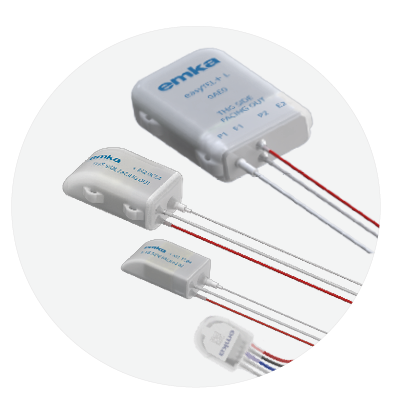
Implantable telemetry systems such as easyTEL+ allow continuous monitoring of physiological signals in conscious, freely moving animals. By recording ECG, arterial blood pressure, and core body temperature, researchers can detect real-time cardiovascular responses to smoke exposure, including arrhythmias and blood pressure changes.
As wildfires become more frequent and intense, understanding the cardiopulmonary effects of smoke exposure is increasingly important. By combining controlled exposure systems with advanced respiratory and cardiovascular monitoring technologies, researchers are beginning to uncover how wildfire smoke affects health from cellular damage to whole-organism physiology.
Reference:

Paudel, K., et al. (2026). Innovative methodologies for elucidating bushfire smoke-induced pathophysiological mechanism. Science of The Total Environment Volume 1025, 15 April 2026, 181645
March, 2026.