January, 2026

I work in cardiovascular physiology, with a focus on the apelin receptor and its role in blood pressure and fluid homeostasis. At CEA, my research involves developing and characterizing biased agonists to better understand receptor signaling and its therapeutic potential.
Previously at Oniris, I used ex vivo vascular approaches to study endothelial function in obesity, evaluating the effects of nutritional interventions such as vitamin D and omega-3 supplementation (Dylan Le Jan, 2025). This work provided a strong foundation in vascular physiology and ex vivo experimental techniques.
Research in cardiovascular and metabolic physiology is currently highly interdisciplinary, with a strong focus on understanding how obesity and metabolic alterations impair endothelial function and vascular reactivity. A major part of the field relies on integrated experimental approaches combining in vivo disease models with ex vivo vascular functional studies, which remain essential to directly assess endothelial integrity and smooth muscle responsiveness.
At the same time, there is growing interest in evaluating non-pharmacological (such as nutritional supplementation) and pharmacological interventions that may prevent or reverse vascular dysfunction. Overall, the field is moving toward more mechanistic, translational research aimed at identifying therapeutic strategies capable of improving cardiovascular outcomes in obesity.
The main real-world implication of my research is to contribute to the identification of robust therapeutic strategies aimed at preventing or limiting vascular alterations associated with obesity. Obesity is now recognized as a major risk factor for cardiovascular diseases, partly through its deleterious effects on endothelial function and vascular reactivity.
By combining relevant animal models with functional vascular assessments, this work provides mechanistic evidence to evaluate the efficacy of nutritional or pharmacological interventions on vascular health. Such approaches are essential to support the development of complementary or preventive strategies targeting obesity-related cardiovascular complications, and to guide future translational research in this field.
We chose Wistar rats because they are a well-characterized and widely used model in obesity research. Their physiology allows for the induction of obesity through a high-fat, high-sugar diet, reproducing key metabolic and vascular alterations relevant to human obesity.
This model enabled us to investigate endothelial function in a controlled and reproducible way and to evaluate the effects of nutritional interventions. Using Wistar rats provided a robust and physiologically relevant system to better understand the mechanisms underlying obesity-associated vascular dysfunction.
My interest in this research area emerged during my early training, when I was introduced to experimental vascular physiology and the study of endothelial function in the context of obesity. Working with integrated animal models and ex vivo vascular approaches allowed me to directly observe how metabolic alterations translate into functional vascular impairment, which strongly shaped my scientific perspective.
What continues to motivate me is the possibility of identifying robust therapeutic strategies capable of preserving or restoring vascular function. This interest naturally evolved toward the study of key regulatory pathways involved in cardiovascular homeostasis, which represents a promising target for the development of innovative treatments aimed at improving vascular health.
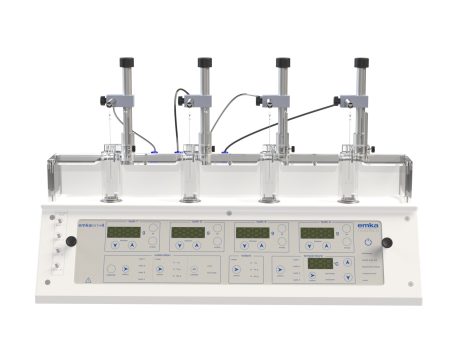
I have been an emka user for a little over three years. I first started using the emkaBATH system during my Master’s internship and continued throughout my PhD, where it became a central tool for my ex vivo vascular studies.
Although I am not currently using this system in my present institution, we are seriously considering acquiring it in the future, as it represents a highly relevant and valuable tool to support our ongoing research in cardiovascular physiology.
The most valuable features of the emkaBATH system are its highly controlled ex vivo environment and the precision it allows in vascular reactivity measurements. Being able to maintain isolated vessels under stable temperature and oxygenation conditions is critical for reproducible assessments of endothelial and smooth muscle function.
In addition, the system’s software provides real-time data acquisition and analysis, allowing cumulative concentration-response curves to be constructed efficiently and reliably. The flexibility to test multiple pharmacological or nutritional interventions in parallel, and to combine them with incubation of additional molecules, was particularly useful in my studies.
The emkaBATH system already offers a wide range of options and services, making it a very robust and versatile platform for ex vivo vascular studies. Its flexibility allows a broad spectrum of experimental designs, from simple concentration-response curves to complex pharmacological interventions. Any potential improvements would be minor. Overall, the system fully meets the needs of endothelial and vascular research.
Absolutely. I would recommend emka TECHNOLOGIES to colleagues conducting ex vivo or in vitro vascular studies.
The emkaBATH system added significant value to my research at Oniris by providing a reliable and controlled setup for ex vivo vascular studies.
Currently, my research focuses on the apelin receptor and its role in cardiovascular regulation, particularly in blood pressure and fluid homeostasis. We are developing and characterizing biased agonists to better understand the receptor’s signaling and potential therapeutic applications.
For someone starting out in vascular and metabolic research, I would emphasize the importance of building a strong foundation in both physiology and experimental techniques. Understanding the mechanisms underlying endothelial function is essential before designing interventions or interpreting results.
Practical experience with ex vivo models, such as isolated vessel preparations, and precise data acquisition systems like the emkaBATH, is invaluable for generating reproducible and meaningful results.
Finally, I would encourage new researchers to maintain curiosity and patience, as studies in metabolic and vascular physiology often require careful planning, longitudinal experiments, and attention to detail, but can yield highly impactful insights.
THANK YOU, Dr. LE JAN, FOR THIS INTERVIEW!