Join us at booth A51 to get a demonstration of our solutions for preclinical toxicology studies.
Mobile snapshot ECG
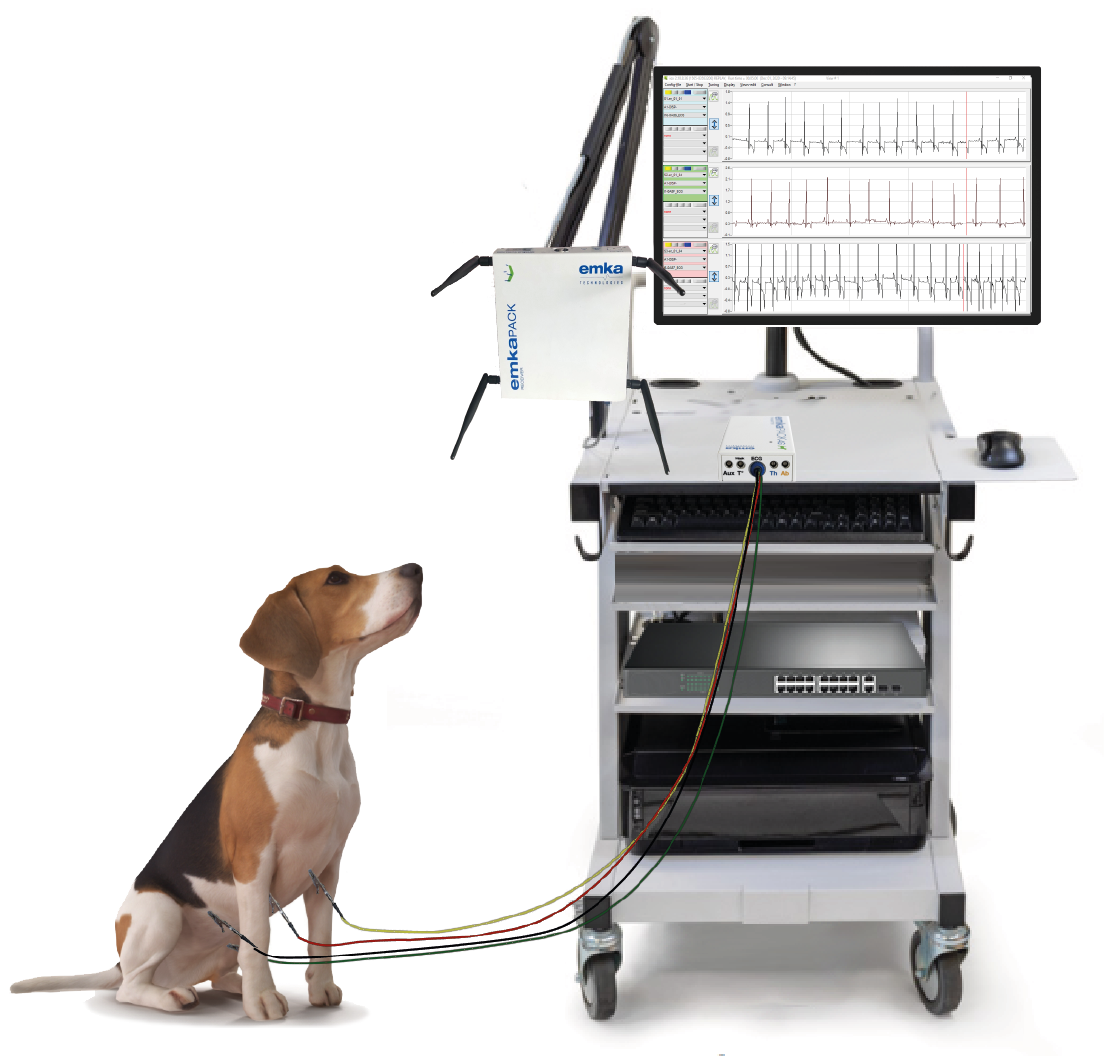
Snapshot-ECG recordings are the mainstay of cardiovascular toxicity studies owing to their cost-effectiveness and vast amount of reference data. The emkaPACK5 can be configured in a mobile snapshot ECG recording system, where the receiver and PC are wheeled into the subject room for maximum efficiency and flexibility. The mobile system is used in combination with the emkaPACK5 transmitter to obtain snapshot ECG measurements.
Jacketed telemetry
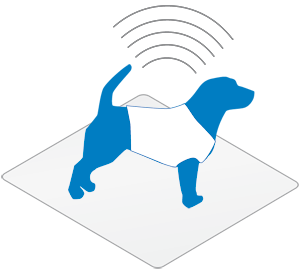
In a jacketed telemetry study, large animals (canine, primate, swine, sheep, other) are equipped with custom-designed clothing and instrumented with the emkaPACK5 transmitter, which wirelessly transmits physiological signals from the ambulatory subjects.
Jacketed telemetry is often considered more sensitive and reproducible than traditional “snapshot” recordings in restrained animals.
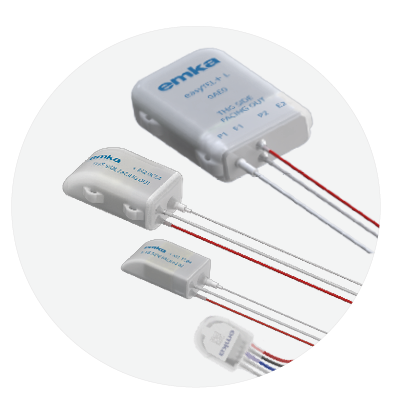
An easyTEL+ M2 implant can be added for the acquisition of minimally invasive blood pressure and core temperature. Uniquely adapted to toxicology studies, this implant equipped with a 2F or 4.5F pressure catheter, is intended for subcutaneous placement in small primates or other large animal models.
Implanted telemetry
Implanted telemetry remains the gold standard for toxicology studies in terms of signal quality and data coverage.
emka’s M series is uniquely adapted to toxicology studies. The implant is small and light, with 2F or 4.5F pressure catheters. It is intended for subcutaneous placement in small primates or other large animal models for the acquisition of minimally invasive blood pressure, ECG, temperature, and activity signals. ECG leads come with solid tip for intravascular ECG.
Plethysmography & telemetry
Whole body plethysmography can be used in exploratory toxicology studies, to asses the toxicity risk of a candidate drug in conscious animals. This technique provides essential physiological information related to changes in respiratory function measurements such as tidal volume (Vt), respiratory rate (RR) and minute ventilation (MV).
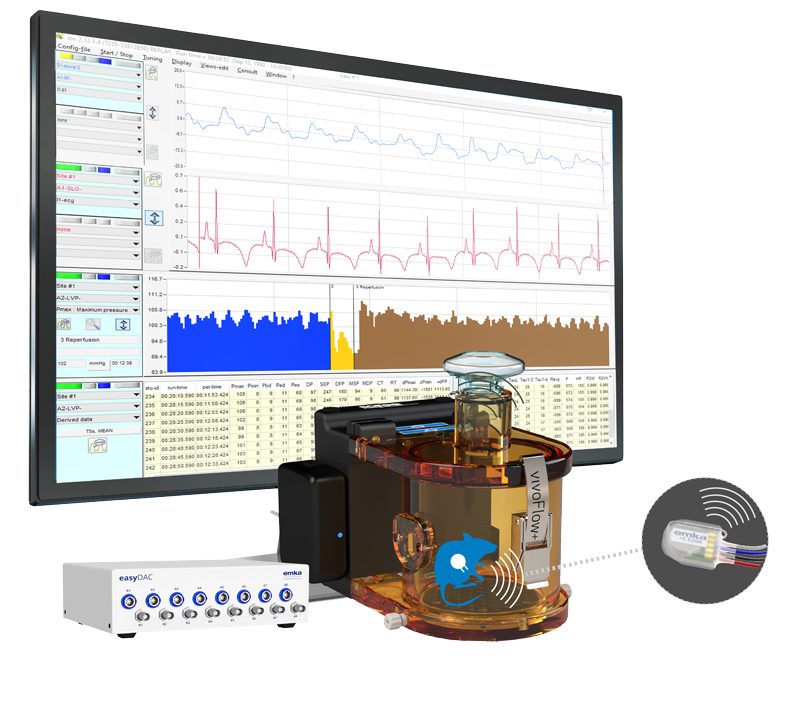
Our new vivoFlow+ plethysmograph can be combined with implantable telemetry, providing synchronized neurologic and cardiorespiratory data.