Cardiomyopathy is a group of diseases that affect the myocardium. The heart muscle becomes enlarged, thickened, or stiff, which can lead to problems with the heart’s ability to pump blood effectively, and can cause heart failure, cardiac fibrosis or arrhythmias.
This condition can be caused by a variety of factors, including genetics (syndrome of Brugada, muscular dystrophy etc.), infections (Myocarditis, COVID-19…), certain medications, pregnancy complications, metabolic disorders (obesity, thyroid disease, diabetes…), drink or drug abuse, and other underlying health conditions.
There are several types of cardiomyopathies. The most common include:
Dilated Cardiomyopathy: The heart muscle becomes weakened and dilated leading to a decrease in its pumping ability.
Hypertrophic Cardiomyopathy: This condition is characterized by the thickening of the heart muscle, especially the left ventricle. It can obstruct the flow of blood out of the heart and increase the risk of abnormal heart rhythms.
Restrictive Cardiomyopathy: The heart muscle becomes stiff and less elastic, making it harder for the heart to fill with blood between beats.
Arrhythmogenic Right Ventricular Dysplasia: This is a rare type of cardiomyopathy where fatty or fibrous tissue replaces healthy heart muscle.
Left Ventricular Non-Compaction Cardiomyopathy: Congenital condition, characterized by the presence of excessive trabeculations in the heart’s ventricles, making it spongy and thick.
Several models are available to study cardiomyopathy, including mouse, rabbits and pigs.
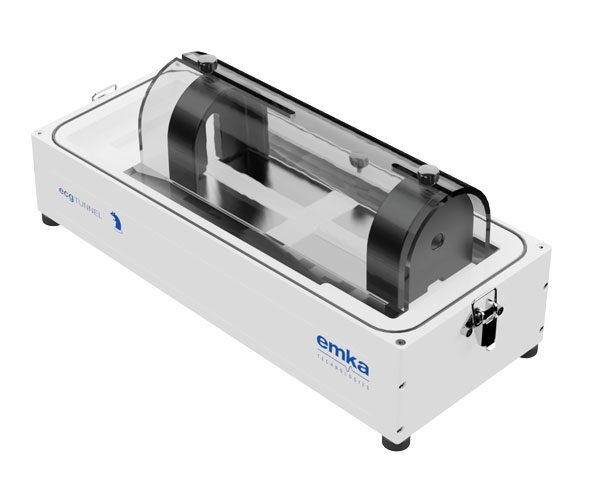
When subjects are particularly fragile and cannot tolerate surgery or anesthesia, as in cardiomyopathy disease, non-invasive ECG recording is a good alternative to implanted telemetry.
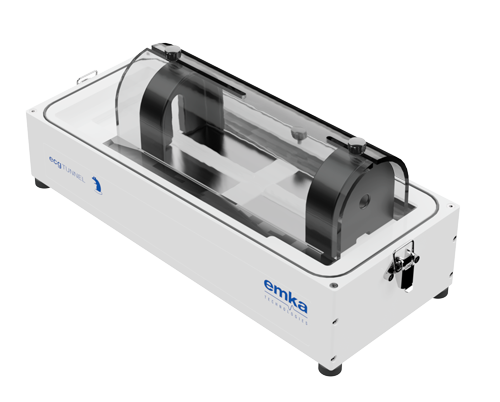
ecgTUNNEL benefits of an innovative design allowing for non-invasive acquisition of ECG in small animals up to 1100g.
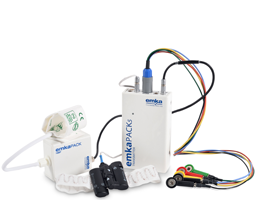
For larger subjects models such as pig, non-invasive ECG is recorded with emkaPACK5 telemetry system.
The Langendorff perfused heart experiments can be useful to document the structural and functional deterioration in animal models of cardiomyopathy.
The investigation of ECG, through two electrodes placed at the surface of heart, and the study of heart contractility-relaxationthe through classic left ventricular measurement, allow researchers to detect and understand these cardiac structural abnormalities, which enhance the heart failure.
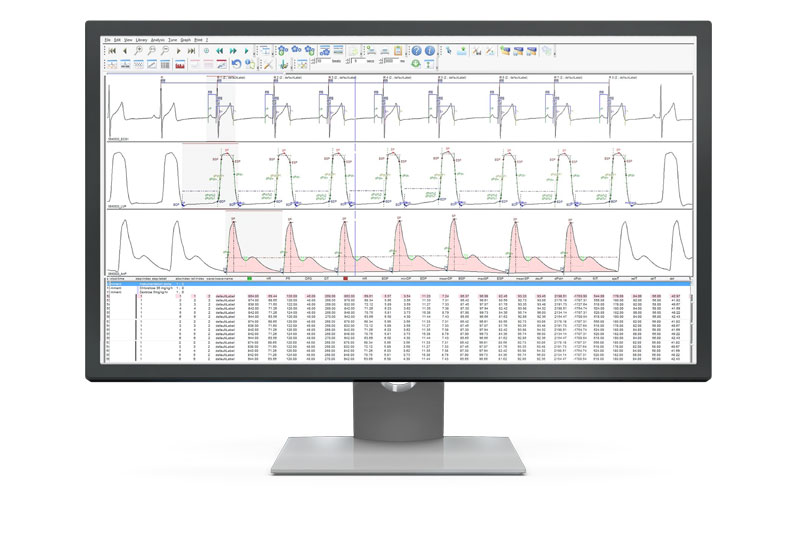
ecgAUTO software provides in depth analysis of the electrocardiogram, to study risk factors and disease progression of cardiomyopathies.
Simple modules like RR analysis, blood pressure or blood flow assessment can be used in stand-alone, or combined with additional modules, for advanced analysis: