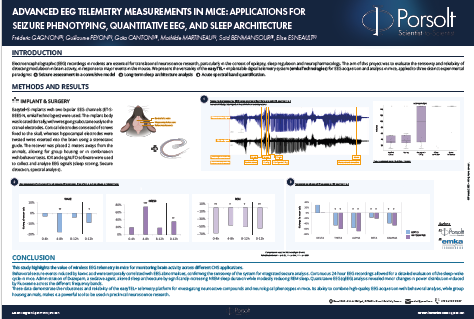
Advanced EEG Telemetry Measurements in Mice
Presented at the 2025 Neuroscience conference in San Diego, this poster presents applications for seizure phenotyping, quantitative EEG and sleep architecture, using easyTEL+S digital telemetry on mice.

Presented at the 2025 Neuroscience conference in San Diego, this poster presents applications for seizure phenotyping, quantitative EEG and sleep architecture, using easyTEL+S digital telemetry on mice.

This application note reviews the significant contributions of emkaPACK in the research and development of Olgotrelvir, the ZF2001 vaccine, and nebulized SARS-CoV-2 neutralizing antibodies.
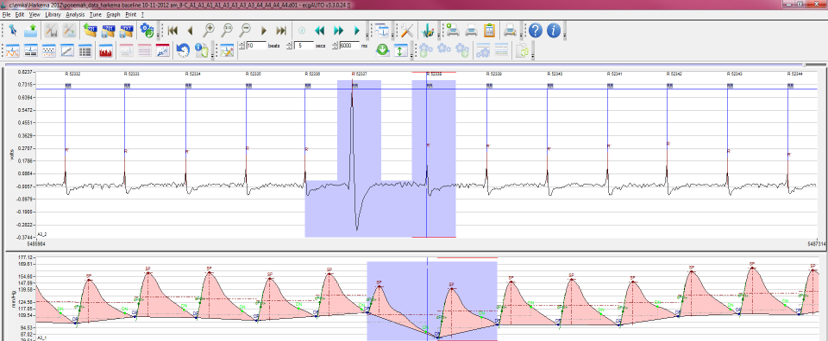
In this application note, we explore a few studies conducted in 2024 and using ecgAUTO software for automated ECG data analysis, aiming to enhance our understanding of arrhythmias and develop targeted interventions.
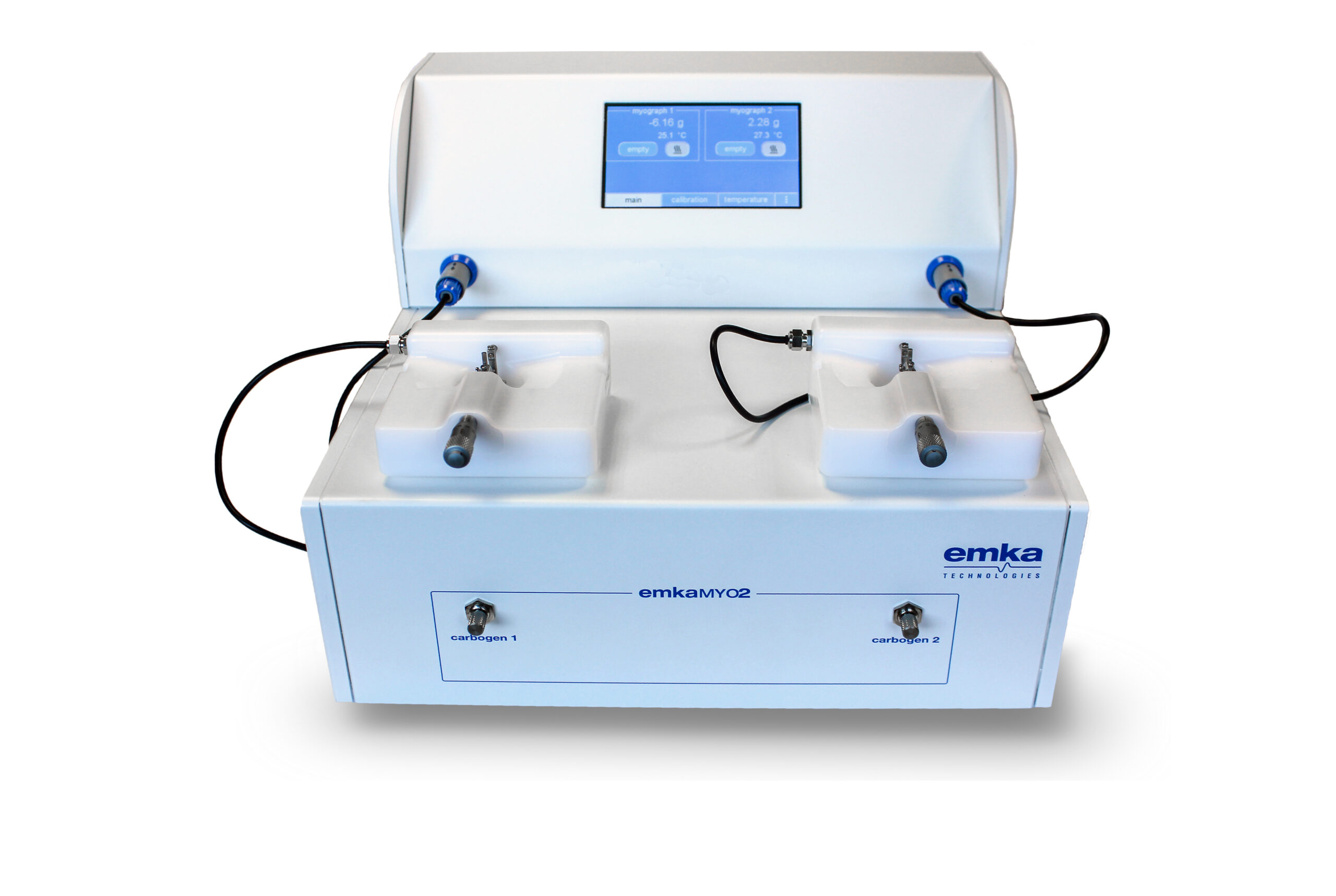
Myographs are used to determine the myogenic tone, evaluate the impact of treatment on Vascular Smooth Muscle Cells contractility and study endothelial function.

This document provides a summary of the study by Dr. Carll et al. at the University of Louisville published in Nature Communications.
The ECG monitoring of exercise in Wistar rats following Traumatic Brain Injury offers insight into possible autonomic dysregulation. This case study highlights the ability to simultaneously record ECG in subjects exercising in an open pool.
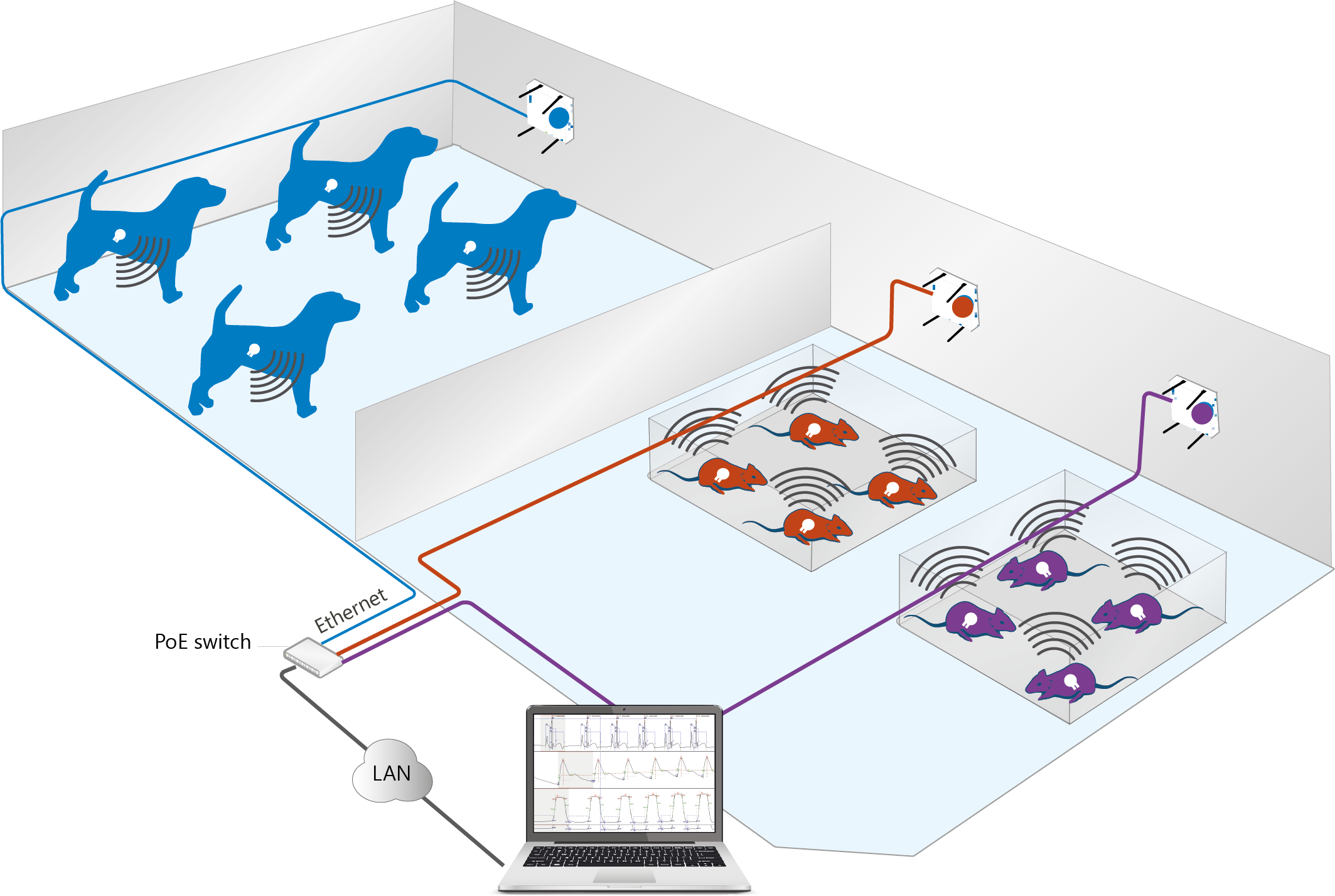
This document provides an overview of the numerous benefits of group housing during preclinical Drug Development, Safety Pharmacology and Toxicology studies.
Digital telemetry offers the ability to implant two transmitters in large animals, allowing to simultaneously record a large number of physiological parameters in a single subject. This case study highlights an experiment conducted by safety pharmacology team at Charles River Montreal, to combine seizure and cardiovascular liability assessment.
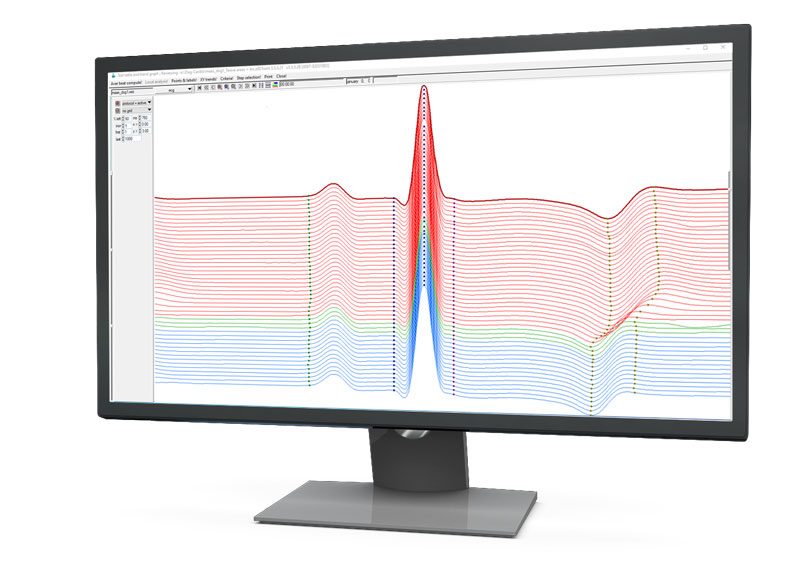
This document provides an overview of ecgAUTO’s analysis methodologies and capabilities for preclinical cardiovascular research, including ECG Interval and Arrhythmia analysis.

This presentation given by Simon Authier, DVM, MBA, PhD, DSP Deputy Chief Scientific Officer at CitoxLab North America in 2019, compares well established ECG analysis methods used in toxicology with novel strategies that may offer lower false positive rates.
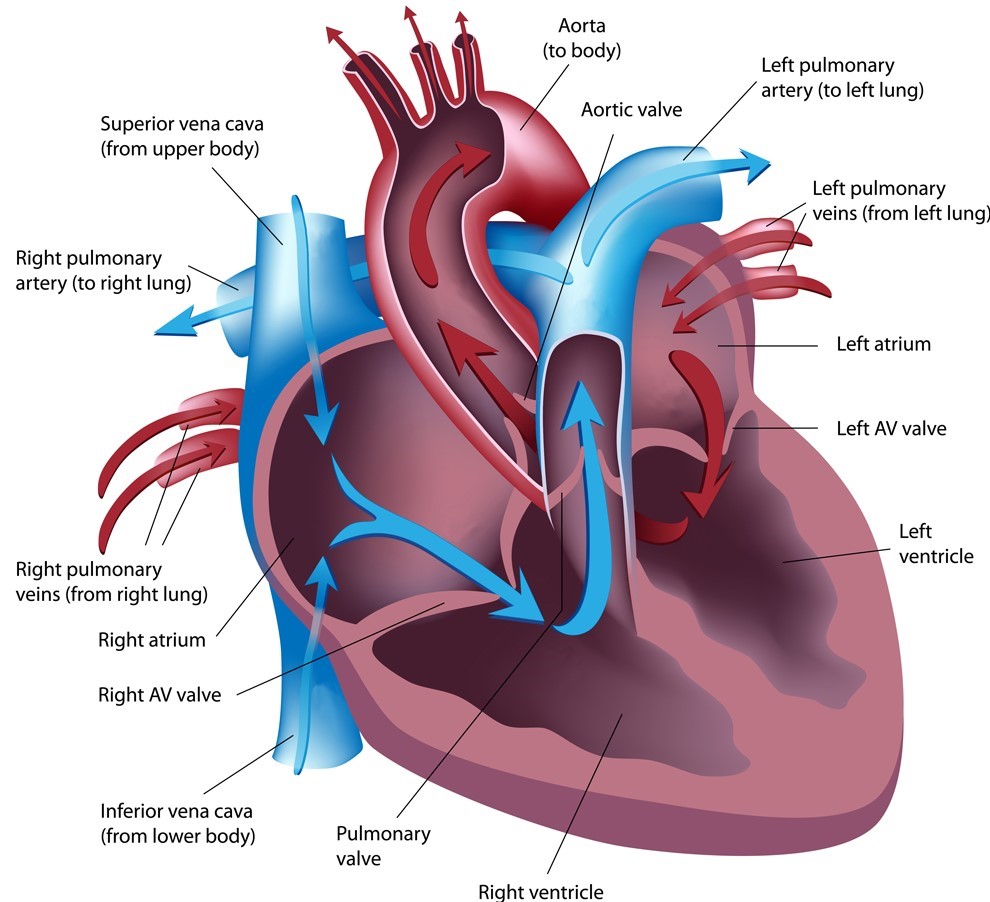
This is the first in a series of articles intended to assist in identifying and detecting arrhythmias in the heart using emka TECHNOLOGIES ecgAUTO software.
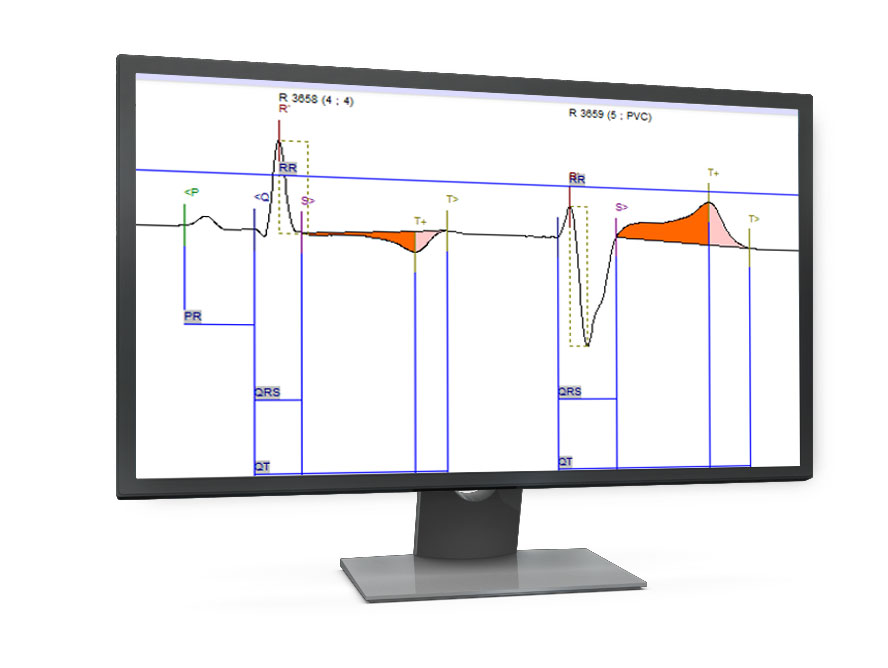
This document is a guide to help identify and quantify Premature Ventricular Contractions (PVC’s) in ecgAUTO. These guidelines will allow for consistent data interpretation for this type of arrhythmia.

Isolating the heart is an ex vivo technique used to investigate small mammalians cardiac function, in health and disease, or following drug challenges.
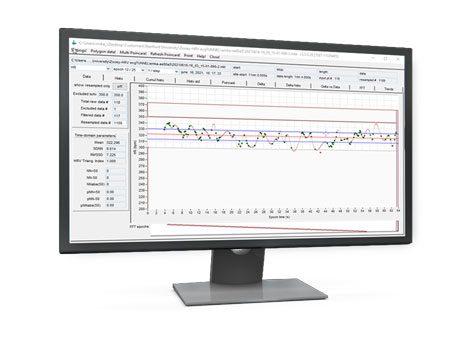
This document introduces the Frequency Domain analysis, which is an effective method to analyze heart rate dynamics. In this document, you will learn how ecgAUTO software uses your data to produce HRV values, using the Fast Fourier Transform (FFT).
This document discusses the proper usage of the Fast Fourier Transform (FFT) Analysis Parameters, using the Heart Rate Variability (HRV) Analysis Module in ecgAUTO.
This Technical Note compares four different windowing approaches available in ecgAUTO, for The Heart Rate Variability (HRV) detection.

This application note includes a protocol explaining how to set an experiment to study rodents aorta rings on tissue bath.
This document provides recommendations for proper subject preparation, ECG lead positioning and equipment configuration during in vivo cardiovascular electrophysiology studies.
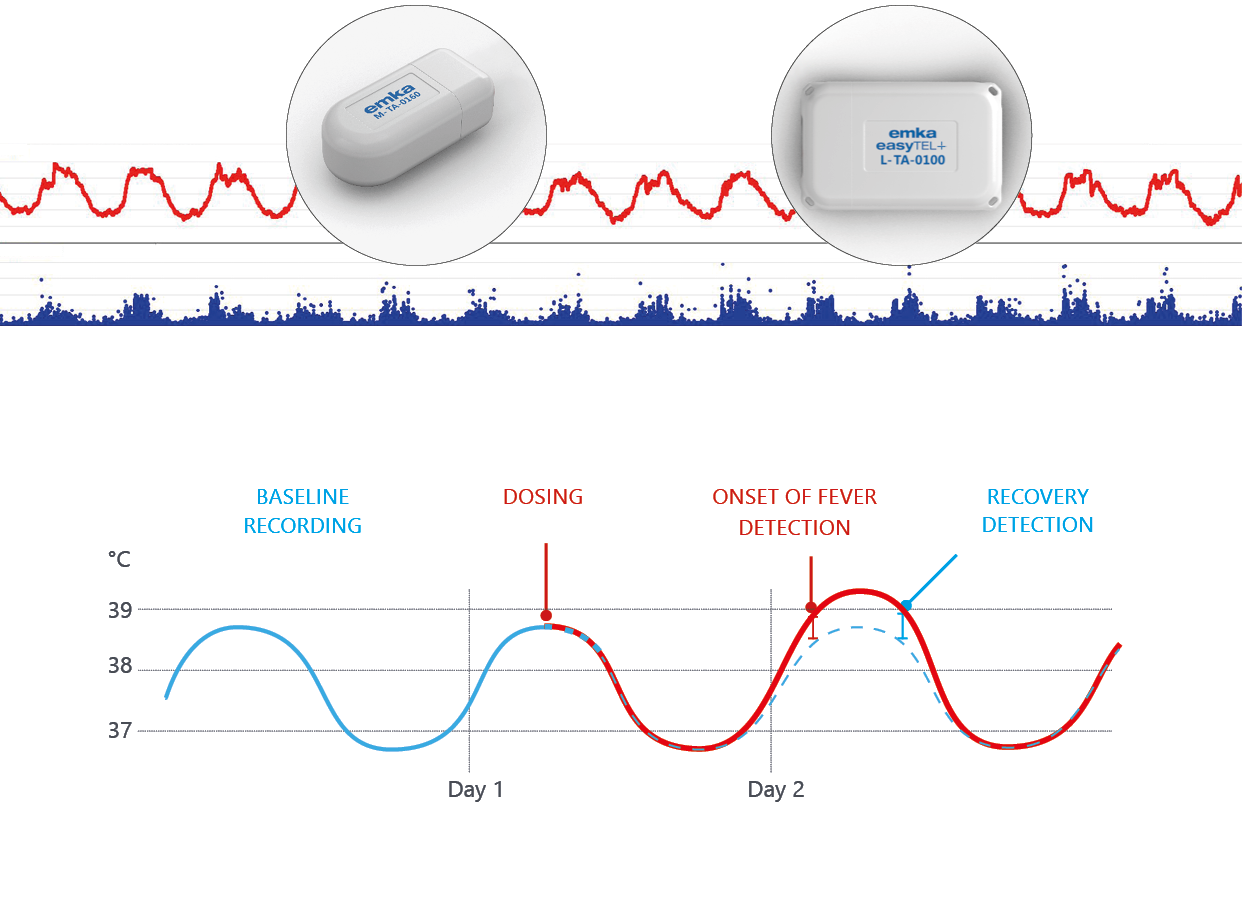
In this document, you will understand how IOX software acquires and analyzes the onset of fever in laboratory animals.
To receive our surgical documentation for easyTEL+ surgery in dogs, rats and mice, click here and fill the form!
