
Autonomic dysfunction

Autonomic dysfunction The Autonomic Nervous System, comprising the Sympathetic Nervous System (SNS) and Parasympathetic Nervous System (PNS), regulates essential physiological functions such as heart rate and blood pressure. These systems help control blood pressure through the baroreflex (or baroreceptor reflex) mechanism(1). The baroreflex is a homeostatic physiological mechanism that regulates blood pressure at constant levels. […]
Vascular function study using a myograph
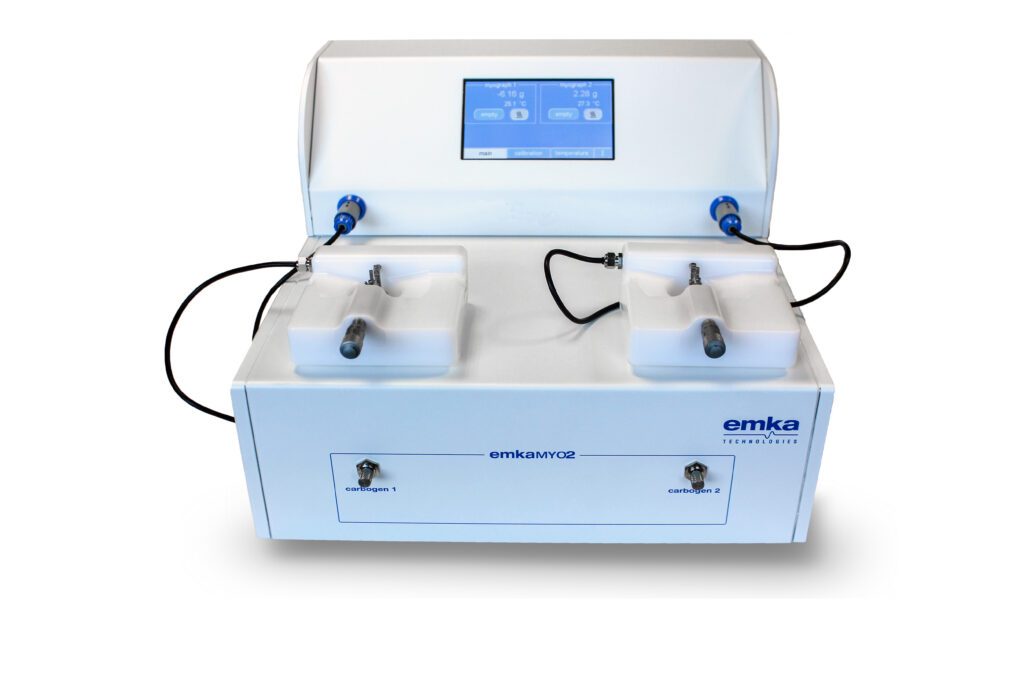
Myographs are used to determine the myogenic tone, evaluate the impact of treatment on Vascular Smooth Muscle Cells contractility and study endothelial function.
Preclinical Blood Pressure Measurements

In our SPS 2022 hosted session, we discussed the Translational Assessment of Pressor Effects of Drugs with Dr.Christine Garnett (FDA), Dr.Todd Wisialowski (Pfizer) and Dr.Brian Roche (Charles River).
E-cigarettes induce Cardiac Arrhythmia and Conduction Defects In Mice

This document provides a summary of the study by Dr. Carll et al. at the University of Louisville published in Nature Communications.
Understanding Pattern Recognition
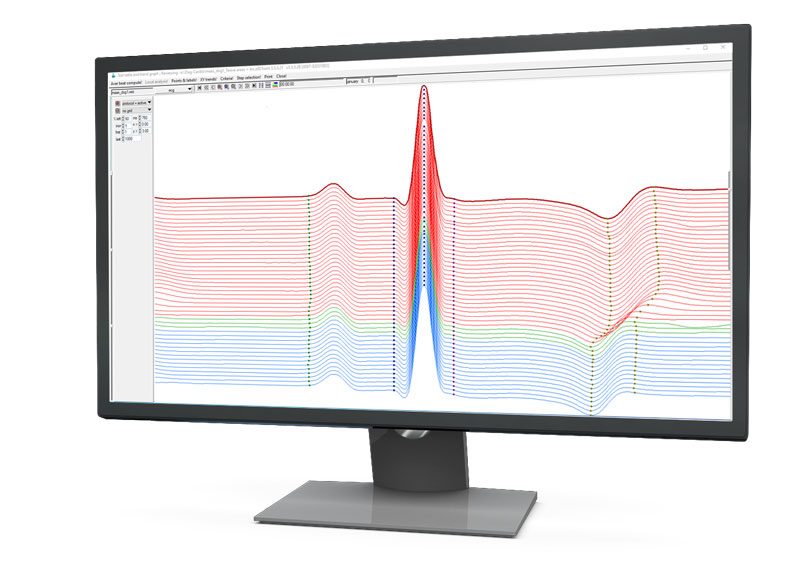
This document provides an overview of ecgAUTO’s analysis methodologies and capabilities for preclinical cardiovascular research, including ECG Interval and Arrhythmia analysis.
Recent Advances in ECG Analysis for ProArrhythmia Risk Assessment
This presentation given by Simon Authier, DVM, MBA, PhD, DSP Deputy Chief Scientific Officer at CitoxLab North America in 2019, compares well established ECG analysis methods used in toxicology with novel strategies that may offer lower false positive rates.
Arrhythmia detection: Part 1 – The electrical system of the heart
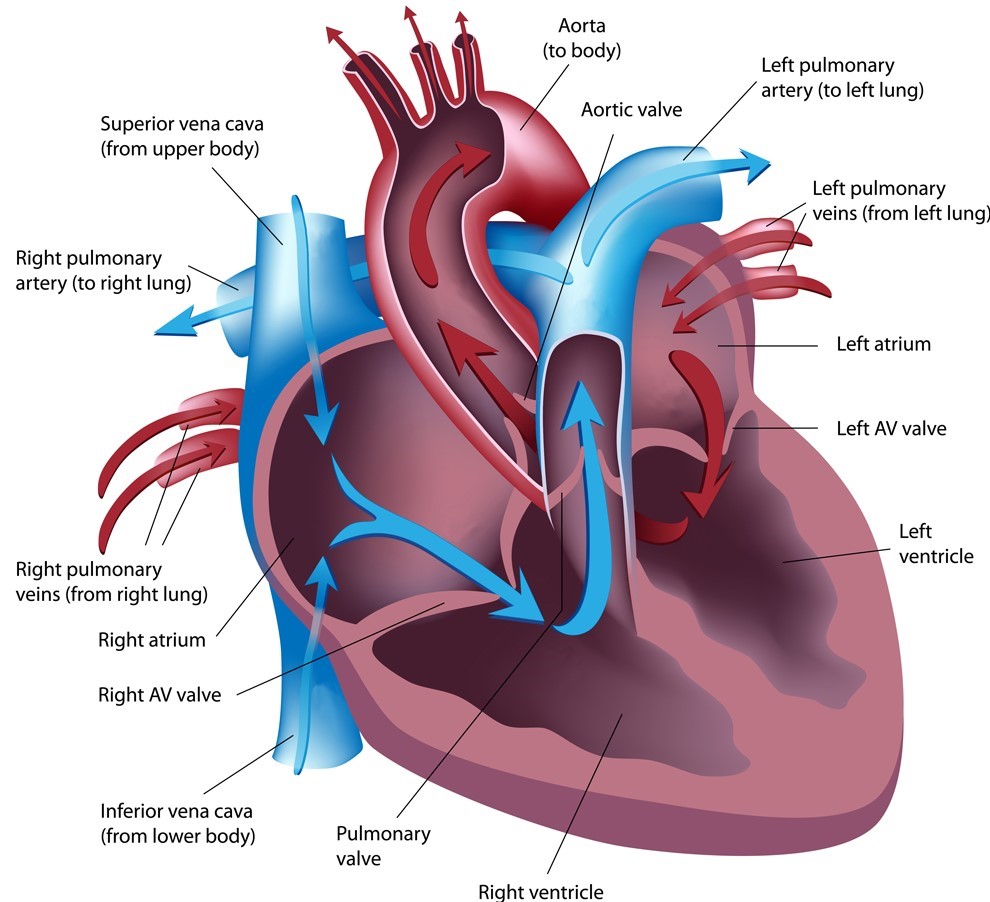
This is the first in a series of articles intended to assist in identifying and detecting arrhythmias in the heart using emka TECHNOLOGIES ecgAUTO software.
Arrhythmia detection: Part 2 – Identifying premature ventricular contractions with ecgAUTO
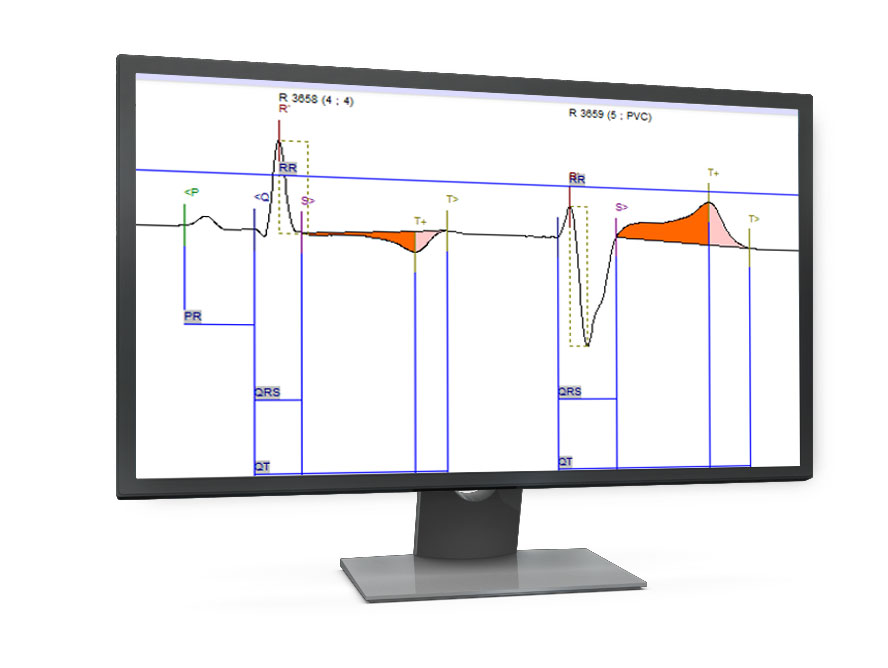
This document is a guide to help identify and quantify Premature Ventricular Contractions (PVC’s) in ecgAUTO. These guidelines will allow for consistent data interpretation for this type of arrhythmia.
Isolated heart techniques
Isolating the heart is an ex vivo technique used to investigate small mammalians cardiac function, in health and disease, or following drug challenges.
Heart Rate Variability: Part 1 – Frequency domain analysis
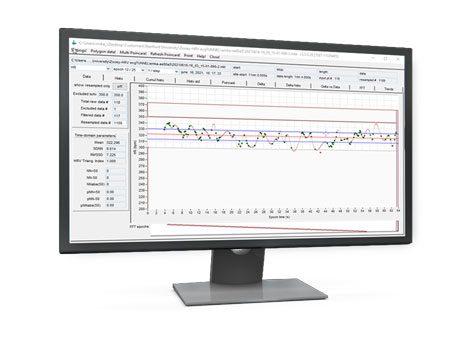
This document introduces the Frequency Domain analysis, which is an effective method to analyze heart rate dynamics. In this document, you will learn how ecgAUTO software uses your data to produce HRV values, using the Fast Fourier Transform (FFT).
